- Products
- Hydraulic components
- Valves
- Auxiliary valves
- Pressure valves
Pressure valves
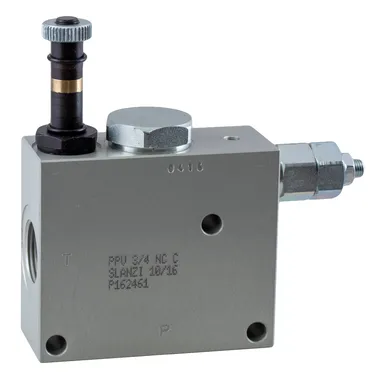
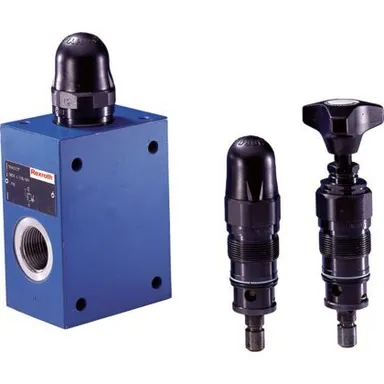
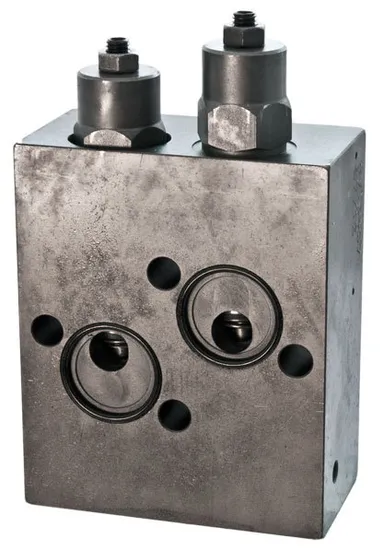
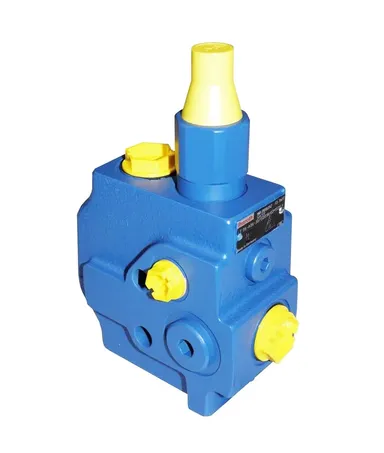
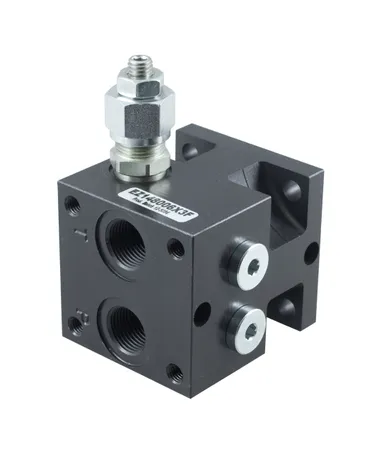
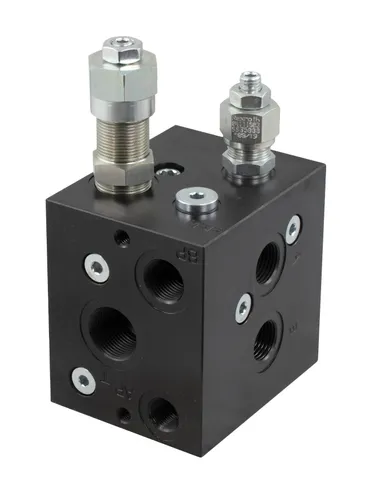
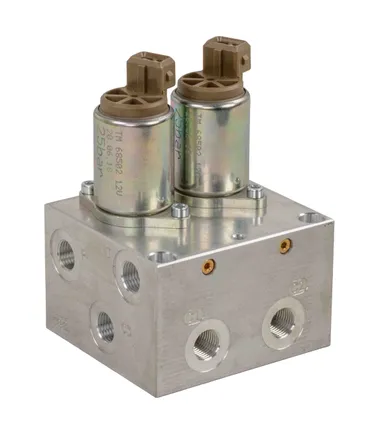
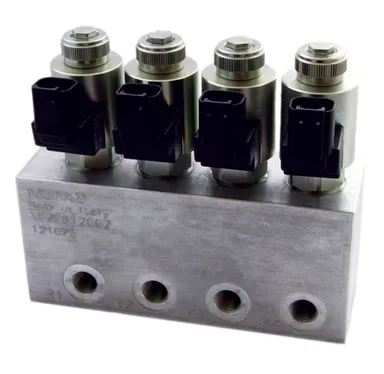
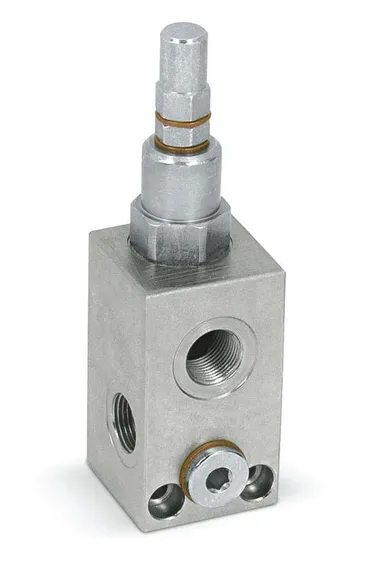
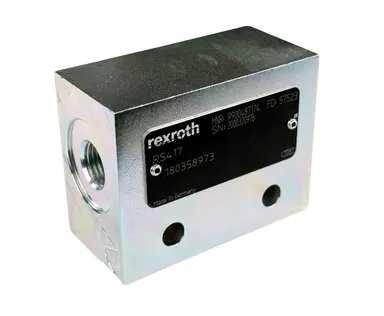
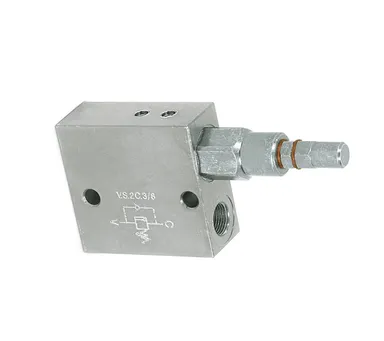
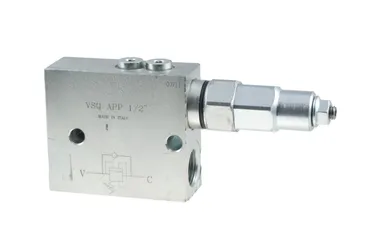
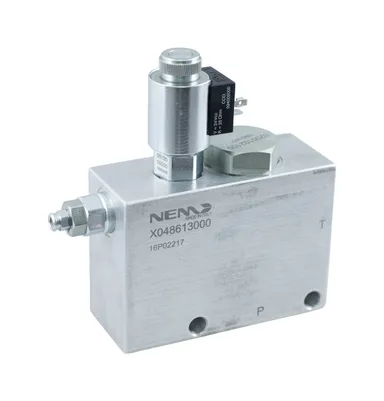
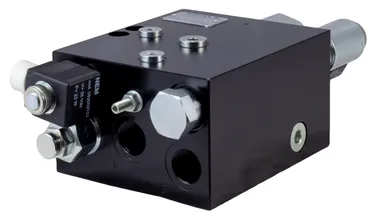
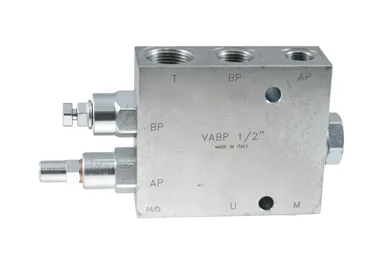
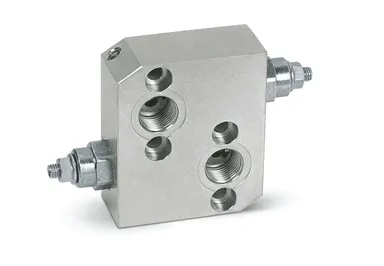
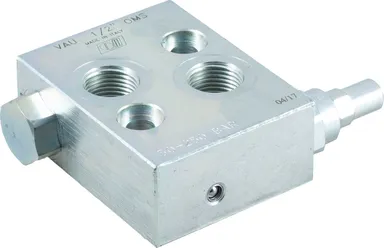
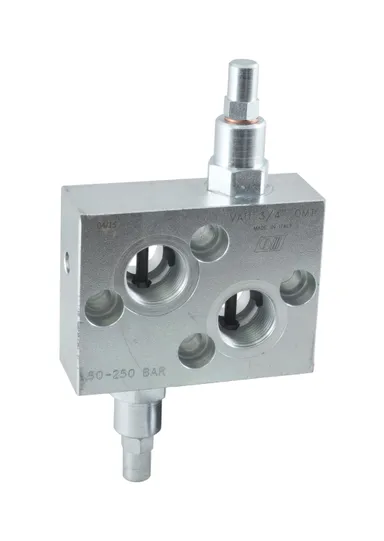
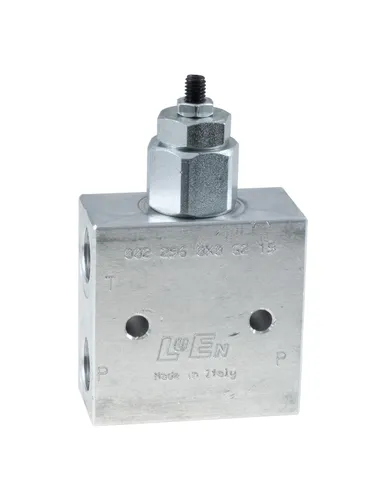
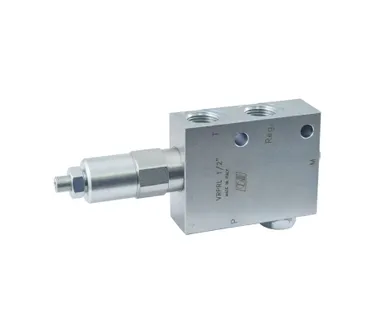
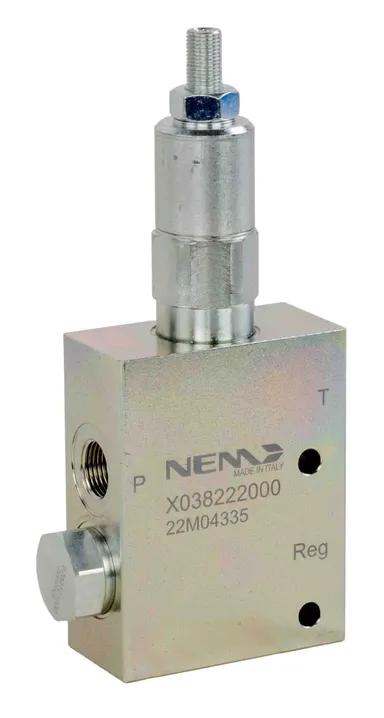
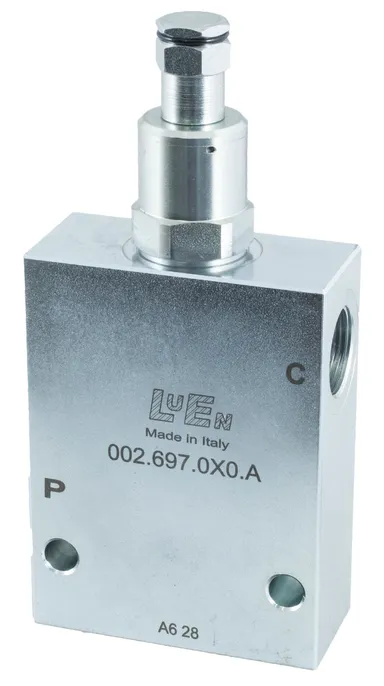
Pressure valves control the pressure in a hydraulic circuit in four ways: a pressure relief valve sets the upper limit, a pressure reducing valve reduces the pressure for part of the circuit, a counterbalance valve lowers the load in a controlled manner, and a sequence valve activates another function when the pressure rises. The pressure relief valve is installed after the pump or control valve, and excess pressure is led to the reservoir via a separate tank line. With a pressure reducing valve, a pilot circuit or a lighter actuator receives a lower pressure than the main circuit.
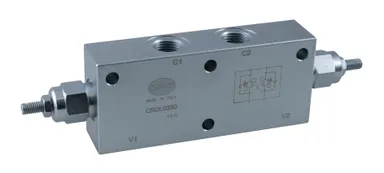
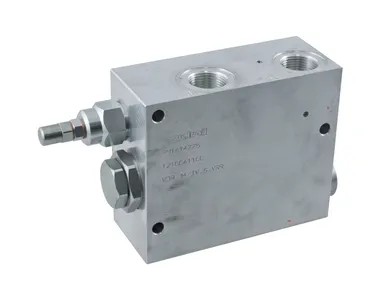
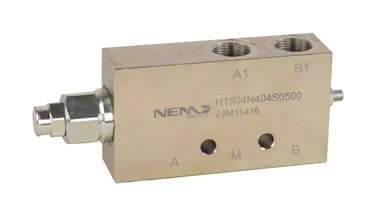
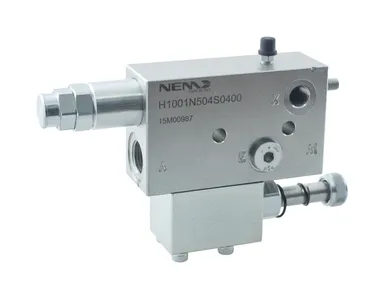
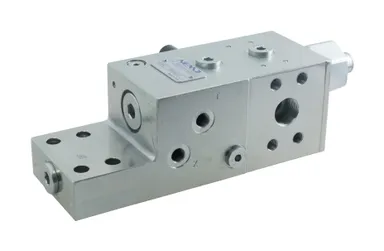
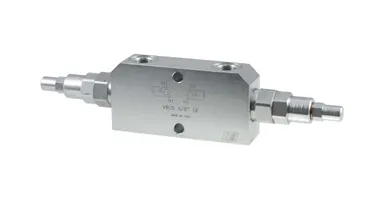
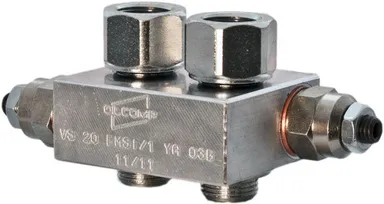
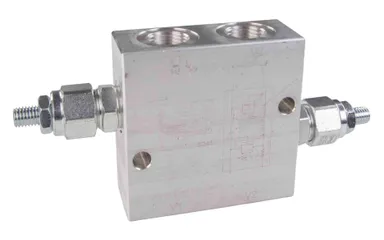
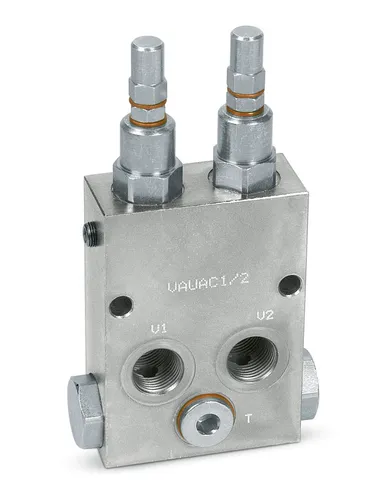
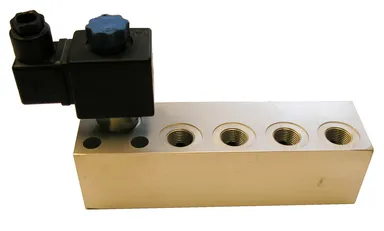
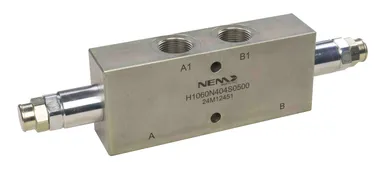
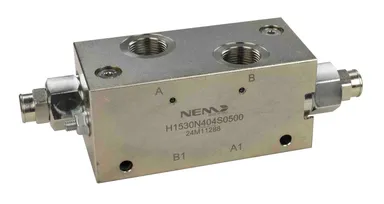
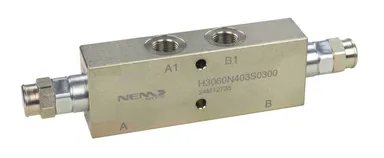
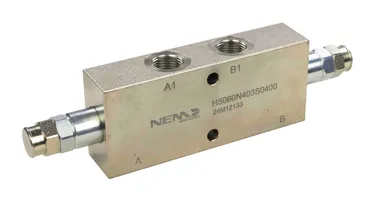
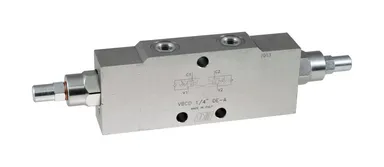
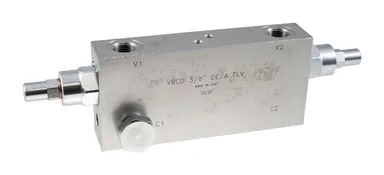
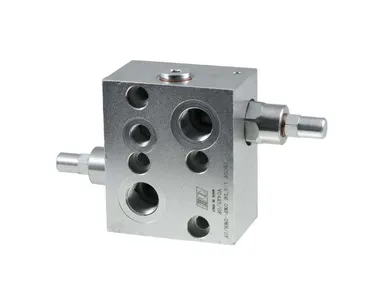
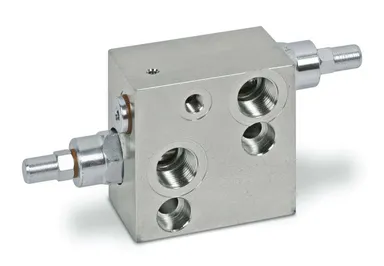
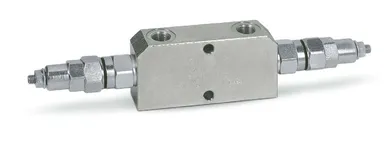
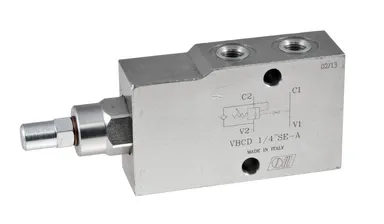
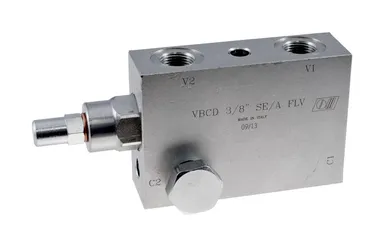
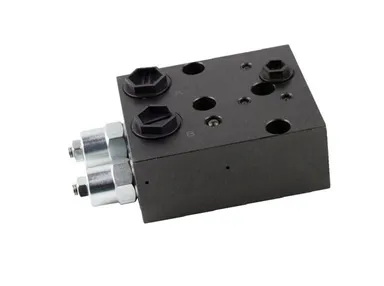
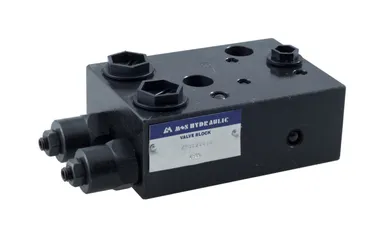
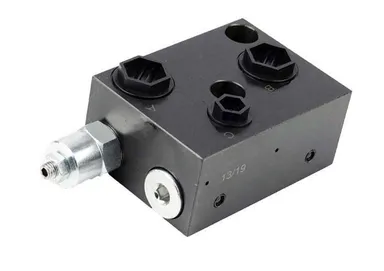
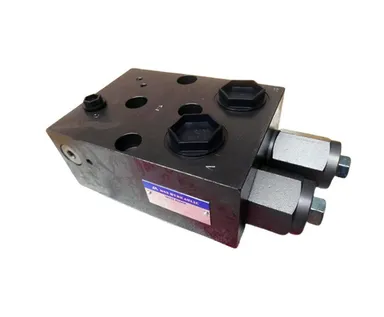
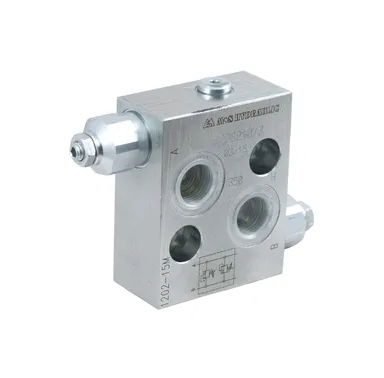
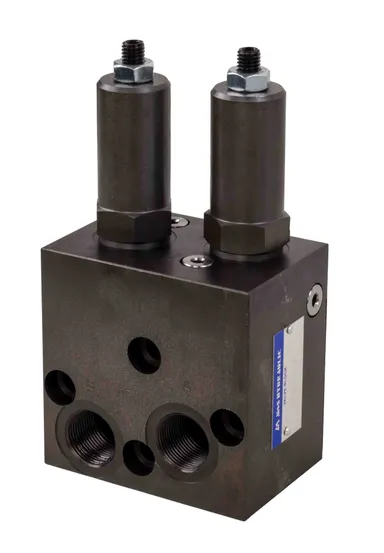
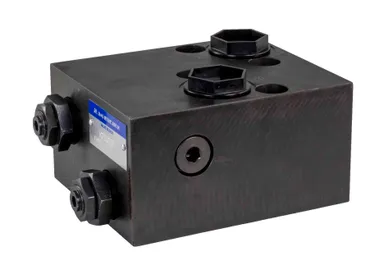
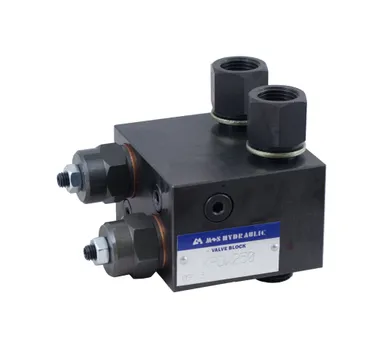
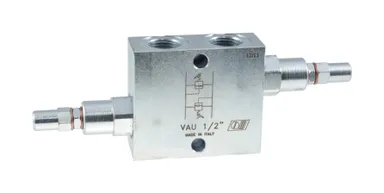
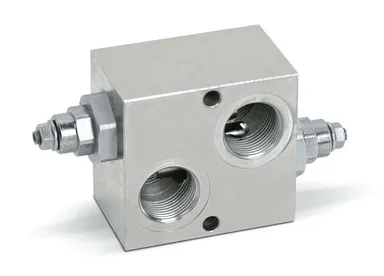
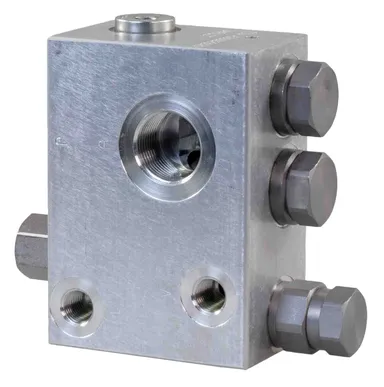
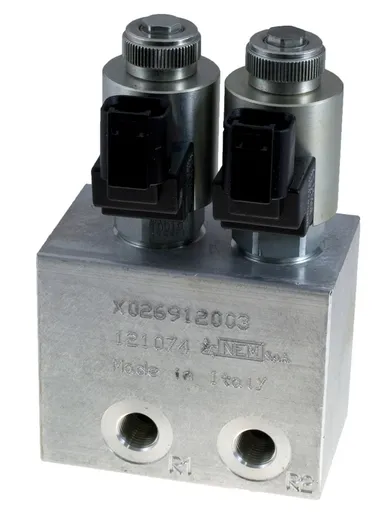
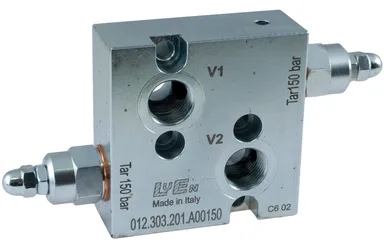
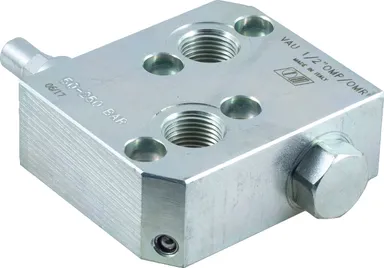
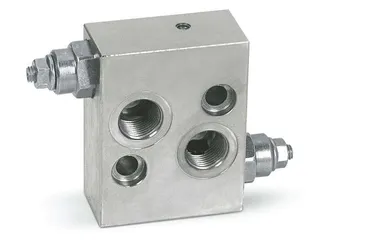
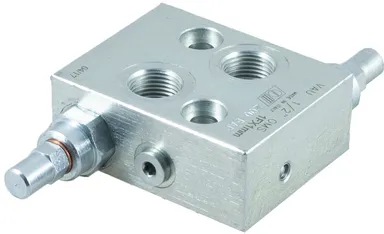
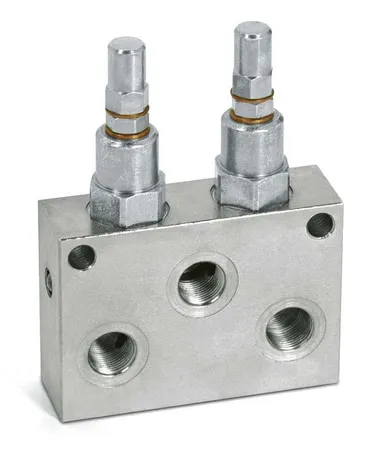
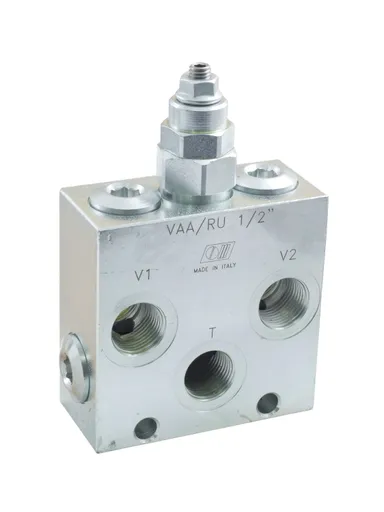
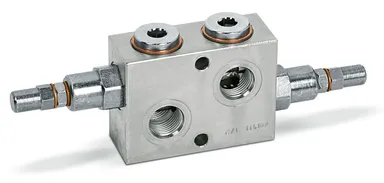
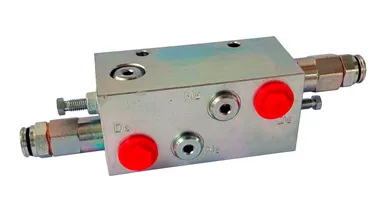
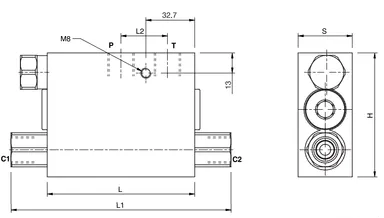
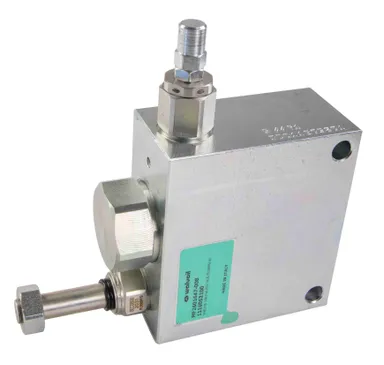
A counterbalance valve holds the load in place and lowers it without creep. Single and double models are available for cranes, booms and tippers, also with electric override, and some are mounted directly on the boom cylinder. Selection is based on adjustment range, flow, connection and pilot ratio, and the pressure setting must be at least 1.3 times the pressure induced by the load. The same category also includes proportional pilot valves and accumulator charging valves.
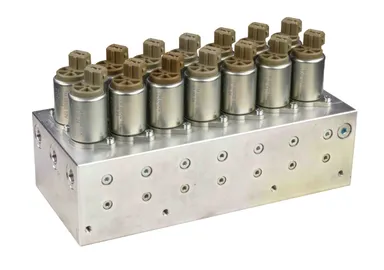
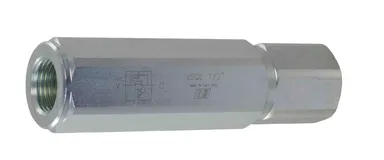
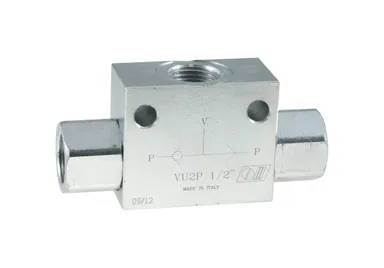
For a manifold, choose the corresponding cartridge, and for load holding only, a pilot-operated check valve is sufficient.
85 products