Check valves
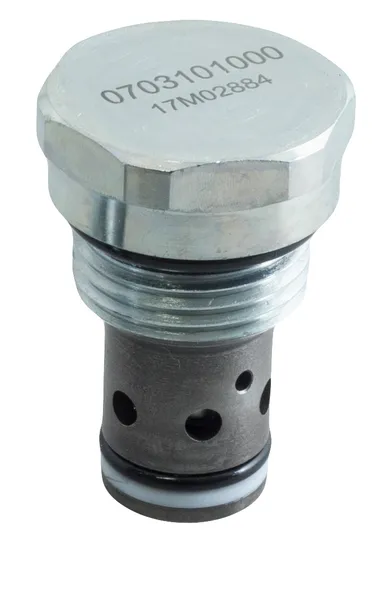
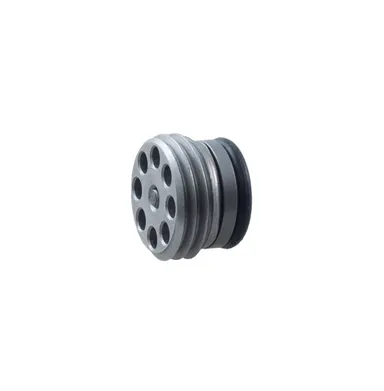
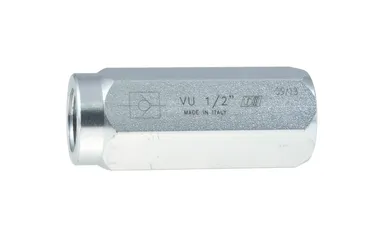
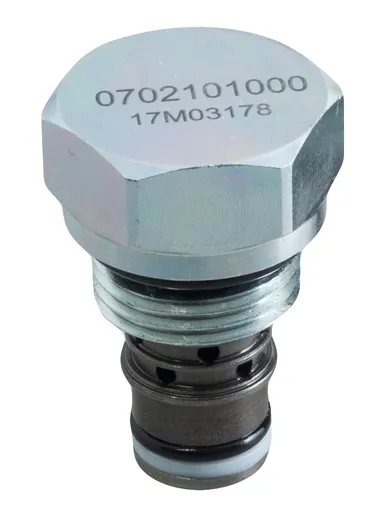
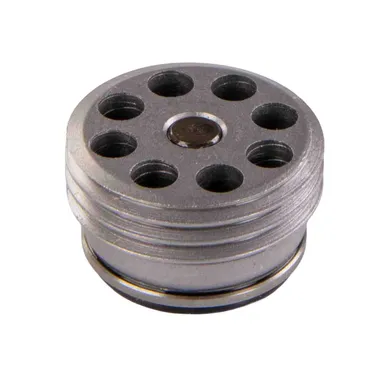
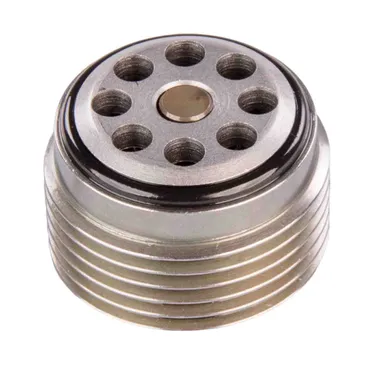
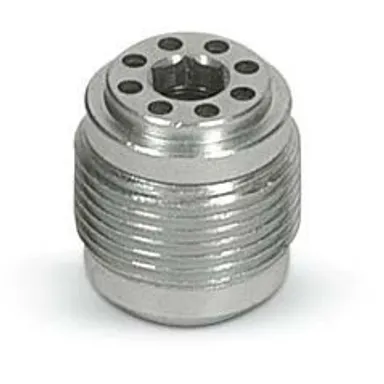
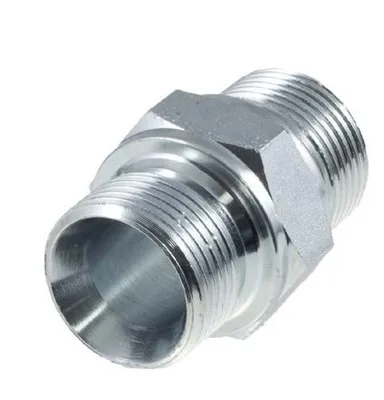
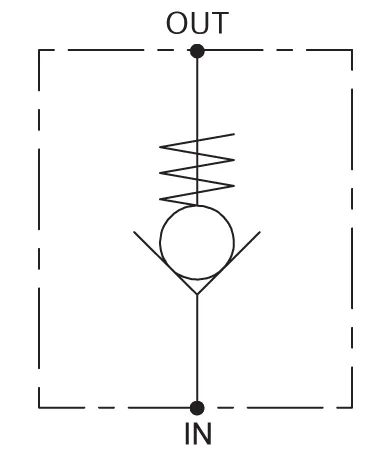
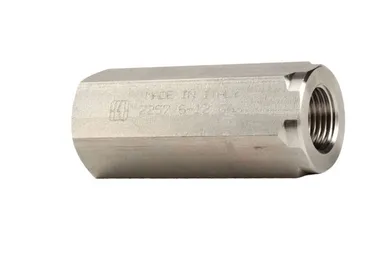
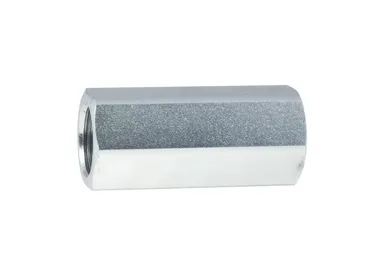
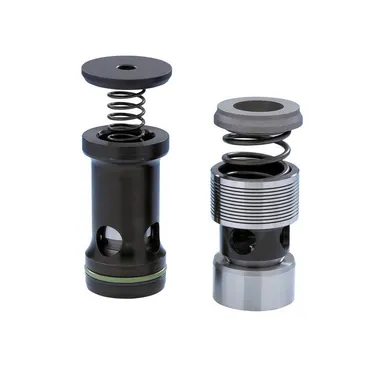
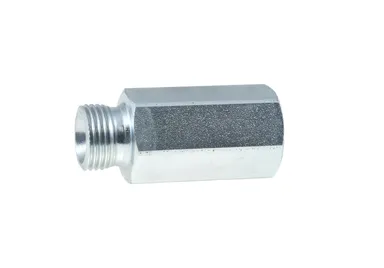
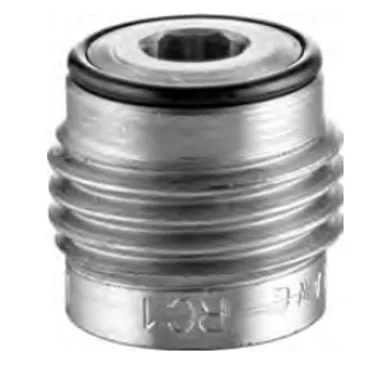
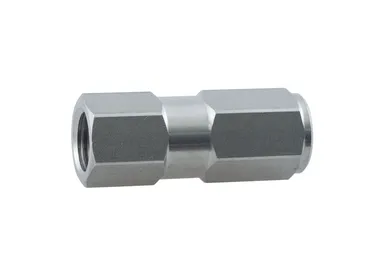
A check valve, also known as a non-return valve, lets oil flow in one direction and closes in the other. It is used to hold a load in place, protect the pump from pressure peaks and prevent the circuit from draining. This category includes threaded check valves with female and male threads for hose and pipe lines, cartridge models for manifold mounting, valves for industrial power units and stainless steel models for corrosive conditions. For high-pressure tools there is, for example, a 700 bar check valve.
Selection is based on cracking pressure, maximum pressure, flow and thread size. The hose burst valve is a separate product: it is installed between the cylinder and the hose and closes if the hose bursts, so the load does not fall.
An ordinary check valve cannot be opened in the reverse direction. If the cylinder must be both locked and driven back, choose a pilot-operated check valve, also called a lock valve, and for controlled lowering of a suspended load, a counterbalance valve.
15 products