- Products
- Workshop equipment and tools
- Pumps
- Diaphragm pumps
Diaphragm pumps
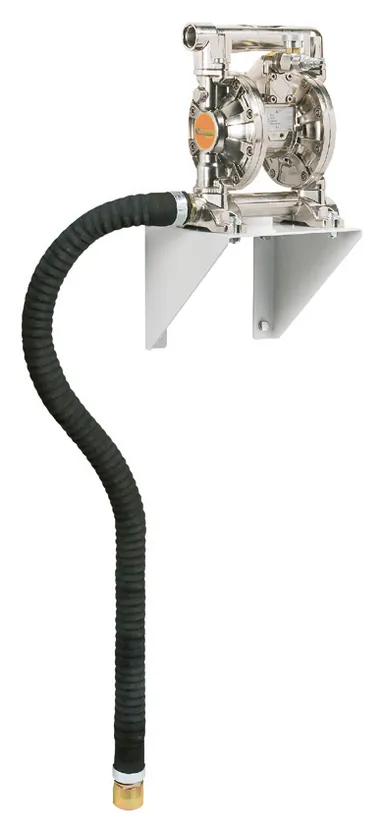
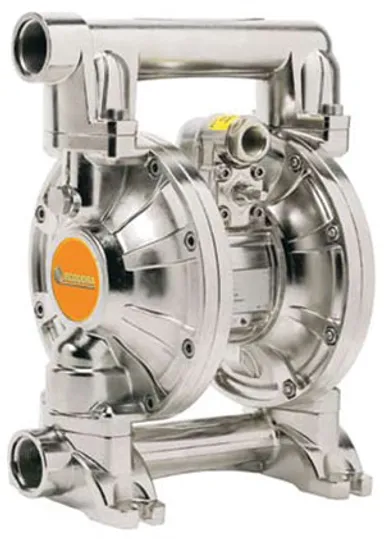
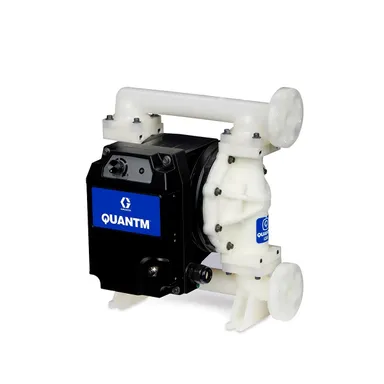
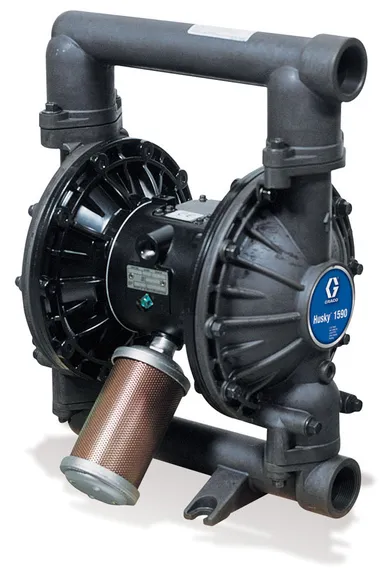
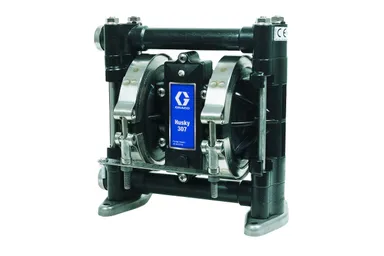
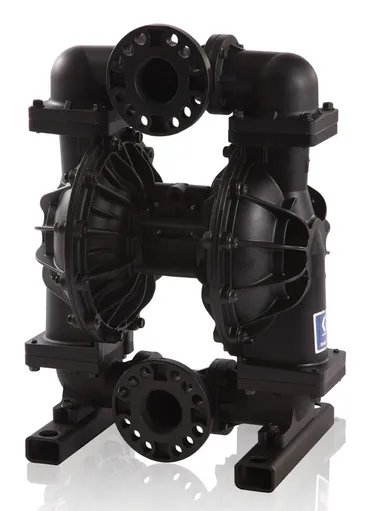
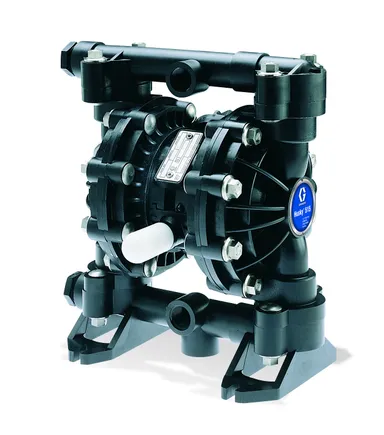
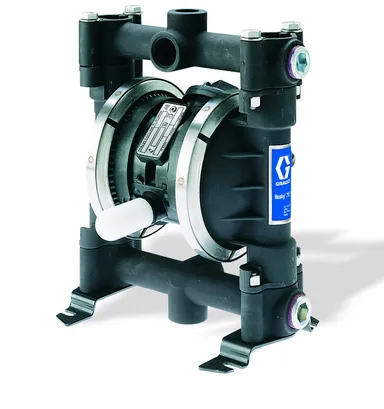
A diaphragm pump is the right choice when the liquid is dirty, thick or corrosive or contains solid particles, or when the pump must withstand dry running and be self-priming. It has no seals on a rotating shaft, so there are fewer leak points.
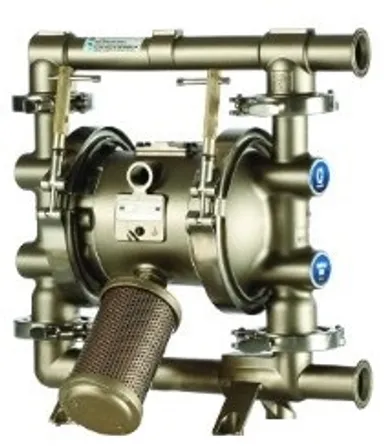
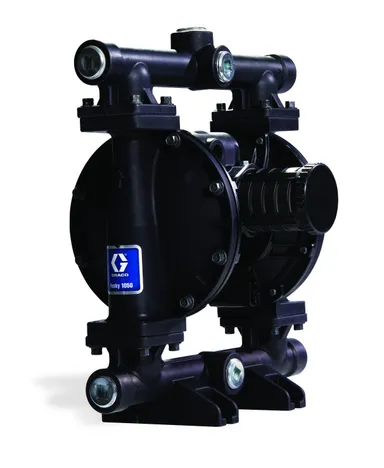
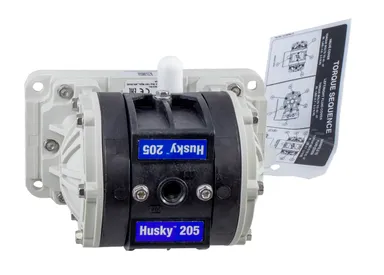
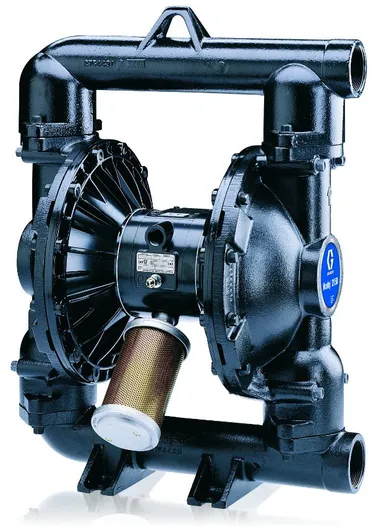
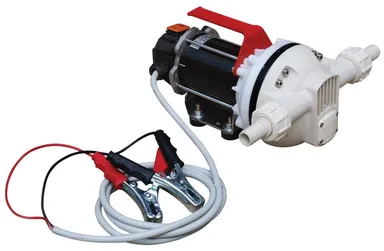
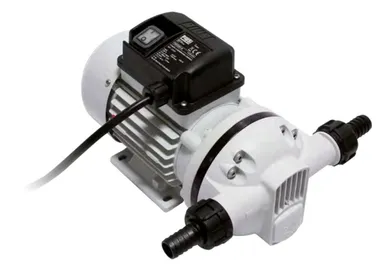
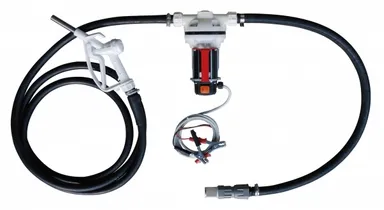
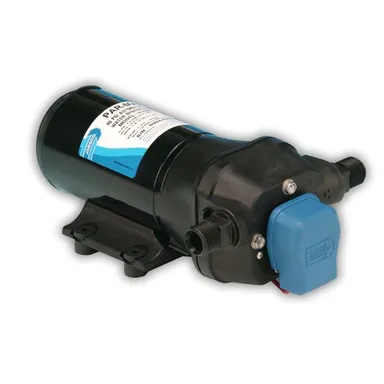
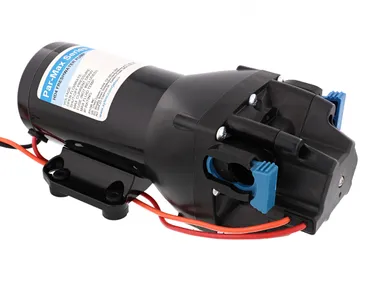
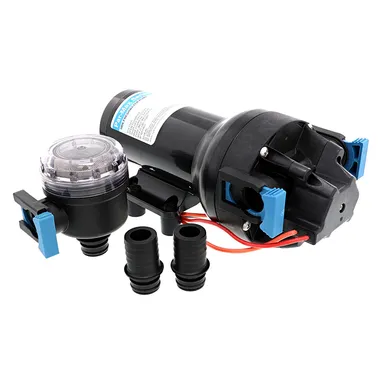
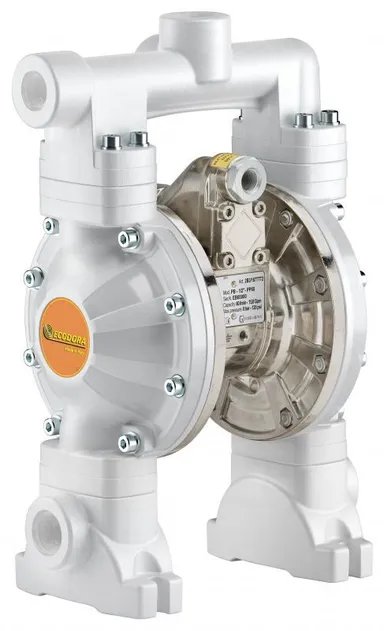
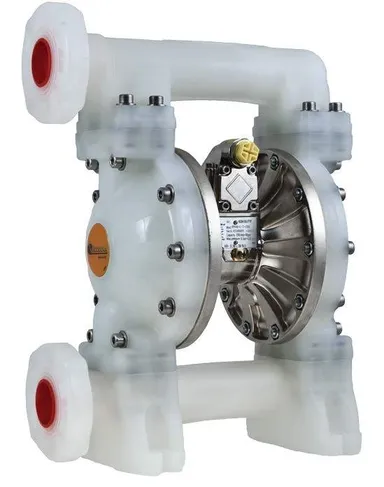
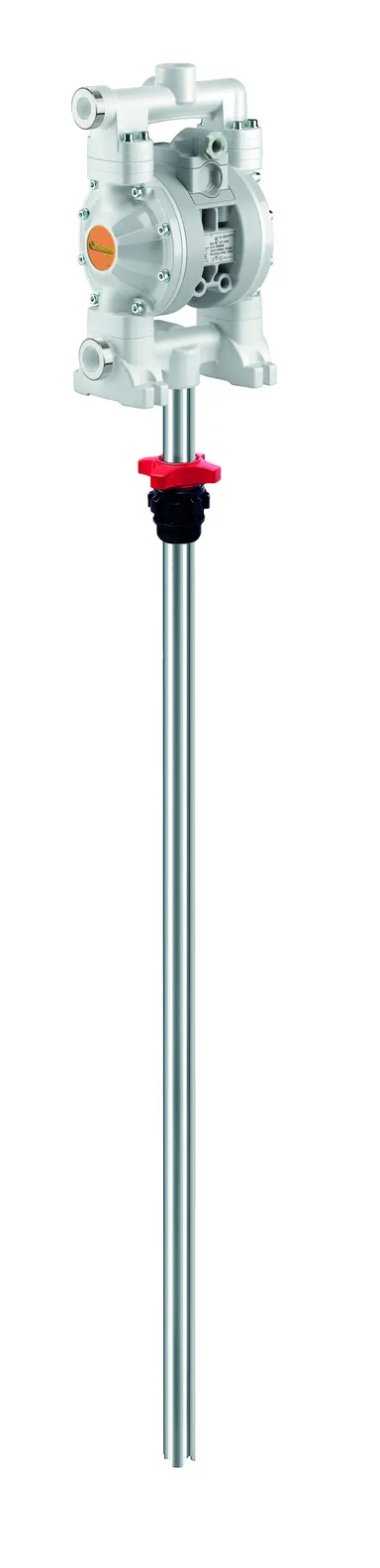
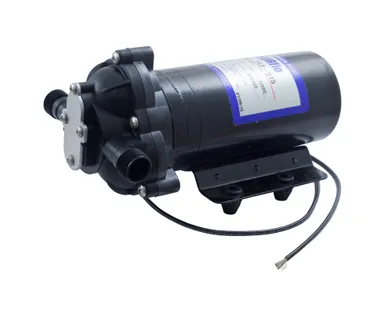
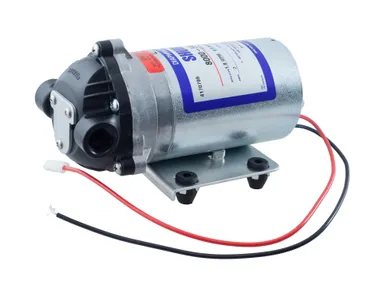
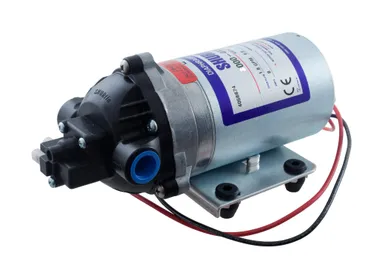
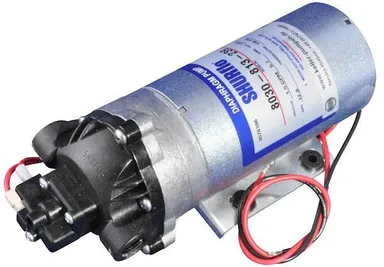
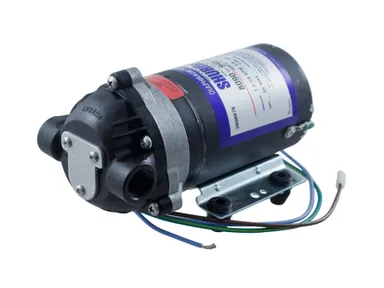
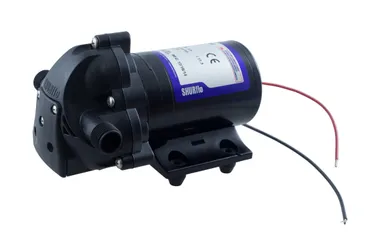
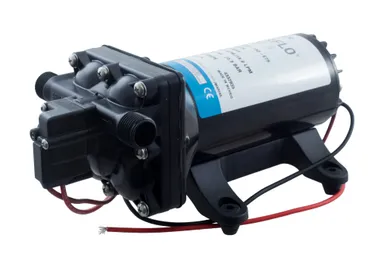
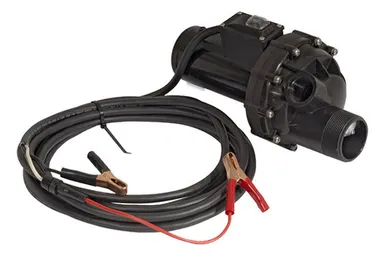
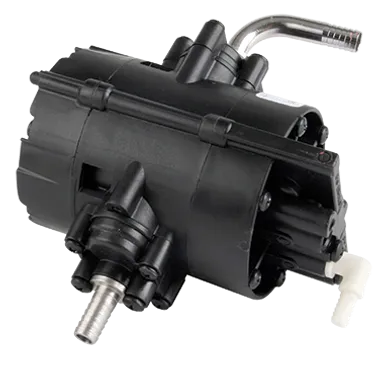
The body and diaphragm material of an air-operated diaphragm pump is chosen according to the liquid: aluminium and polypropylene for general use, acid-resistant stainless steel and PTFE for chemicals. This category also includes ATEX-approved models for explosive atmospheres and a hygienic model for food applications. Electric diaphragm pumps at 12 V, 24 V and 230 V handle transfer and refuelling where compressed air is not available, including for urea. The pump is installed between the suction and discharge hoses or directly on top of a drum or IBC container.
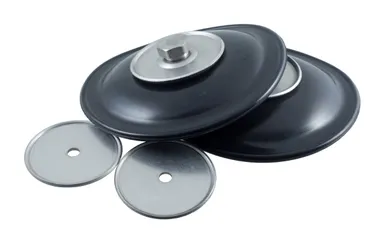
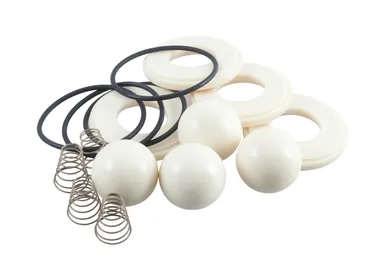
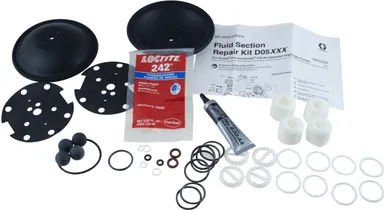
Selection is based on flow rate, viscosity, particle size and chemical resistance. The diaphragm and valve balls are wear parts, so it is worth keeping a repair kit on the shelf along with the pump. For washing and spraying at 20–50 bar, choose the diaphragm pumps among the water pumps.
42 products